
Natural Supplements and Vitamins for Men's Health
HerbalPria is an informational resource covering natural supplements, vitamins, and minerals for men. We focus on practical context: what common ingredients are, how formats differ, and how they fit into a daily routine — so you can make informed choices about healthy lifestyle products.
What this site covers
Our pages span three areas: ingredient and format guides for natural supplements for men, context on vitamins and minerals for men at different life stages, and practical notes on energy and endurance supplements. Each area is written as plain reference, not a product pitch.
Where a specific format matters — such as capsules versus powders versus liquid extracts — we note the differences and what the label language typically means. That way, when you see terms like "standardized extract" or "food-grade additive," you have context rather than a guess.
The three areas we cover
- · Ingredient and format guides for natural supplements for men — what each ingredient is and how the format affects what you get.
- · Context on vitamins and minerals for men at different life stages, from your thirties onward.
- · Practical notes on energy and endurance supplements and how they sit alongside sleep, food, and movement.
Why format and ingredient literacy matters
Supplement shelves are crowded, and label language can be opaque. A bottle may list ten ingredients, but the order, the standardization, and the serving size determine what you are actually getting.
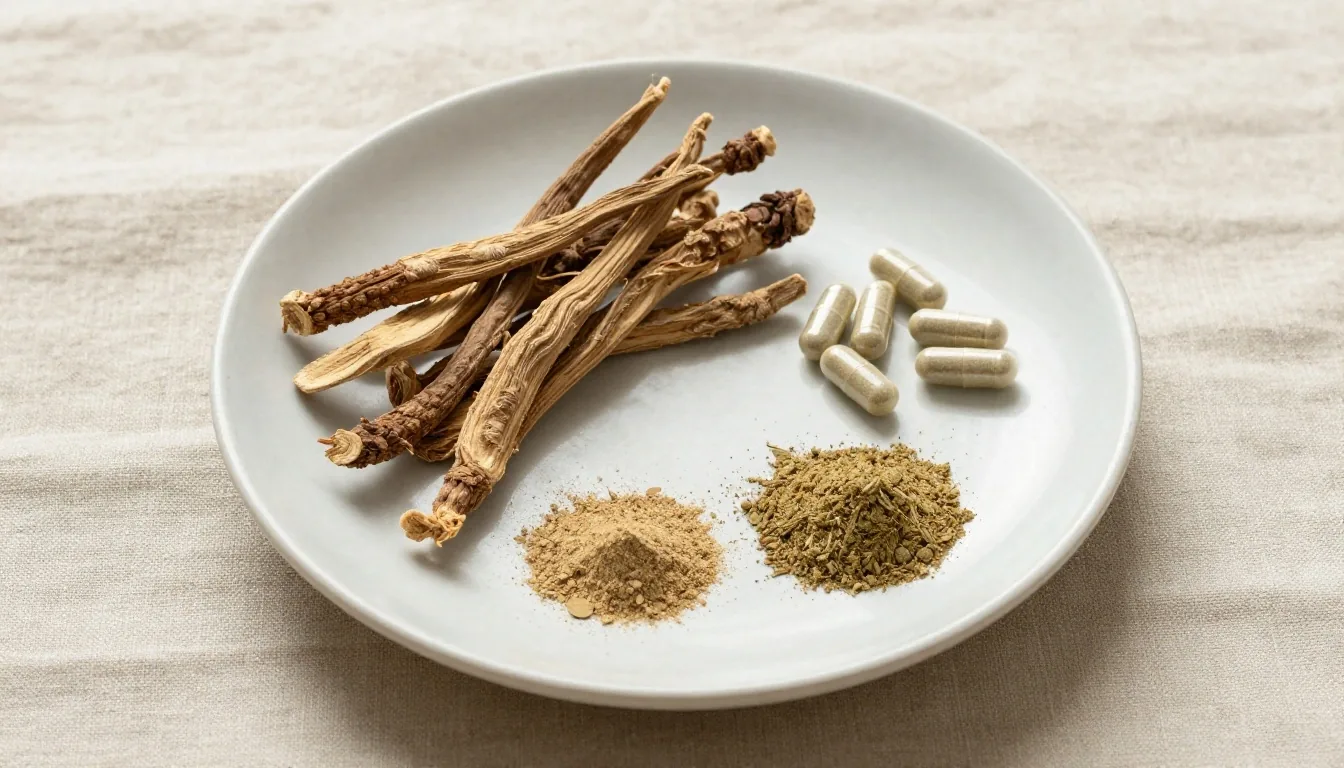
We write about natural capsules for strength and vitality, but also about what those words mean on a label — if anything. Understanding the format helps you compare products on equal terms rather than relying on packaging language alone. This literacy is the gap we try to fill.
Who the site is for
HerbalPria is for men who want to read up on supplements before they buy or before they ask a professional. Maybe you are in your thirties looking at daily men's vitamin supplements for the first time. Maybe you are older and comparing herbal formats you have heard about from friends.
We do not assume a background in nutrition. Our pages explain basic terms and build up to more practical comparisons. The audience is the reader who wants substance over hype — clear explanations of what an ingredient is, what a format means, and what the label is really telling you.
If you have ever stood in front of a shelf of popular products for men and wondered which claims were real and which were packaging, this site is built for that moment.
Our approach to information
We describe what ingredients are and how they are traditionally used. We do not claim that any supplement supports a specific function or addresses a condition. The site's editorial stance is neutral and educational.
When we mention that an ingredient is popular in a certain region or format, that is context, not an endorsement. We rely on publicly available reference material, and we name our editorial standards on a dedicated page so you can see how we choose what to cover and what sources we consult.
What we do, and what we do not
Vitamins and minerals for men: the basics
Vitamins are organic compounds the body needs in small amounts. Minerals are inorganic elements with similar roles. For men, common topics include B-vitamins for energy metabolism, vitamin D for general wellness, and minerals like zinc and magnesium.
We cover what each does, what food sources contain it, and what supplement formats typically look like. The goal is to separate basic nutrition facts from product marketing — so men's health support reads as a practical topic, not a slogan.
Some nutrients get more attention than others on supplement labels. B-complex vitamins show up in energy products. Vitamin D appears in daily wellness formulas. Zinc and magnesium are common in mineral blends. We explain what each one is, where you find it in food, and what a supplement form of it typically contains.

Food sources first. Supplements fill gaps — they do not replace a varied diet.
Energy and endurance in context
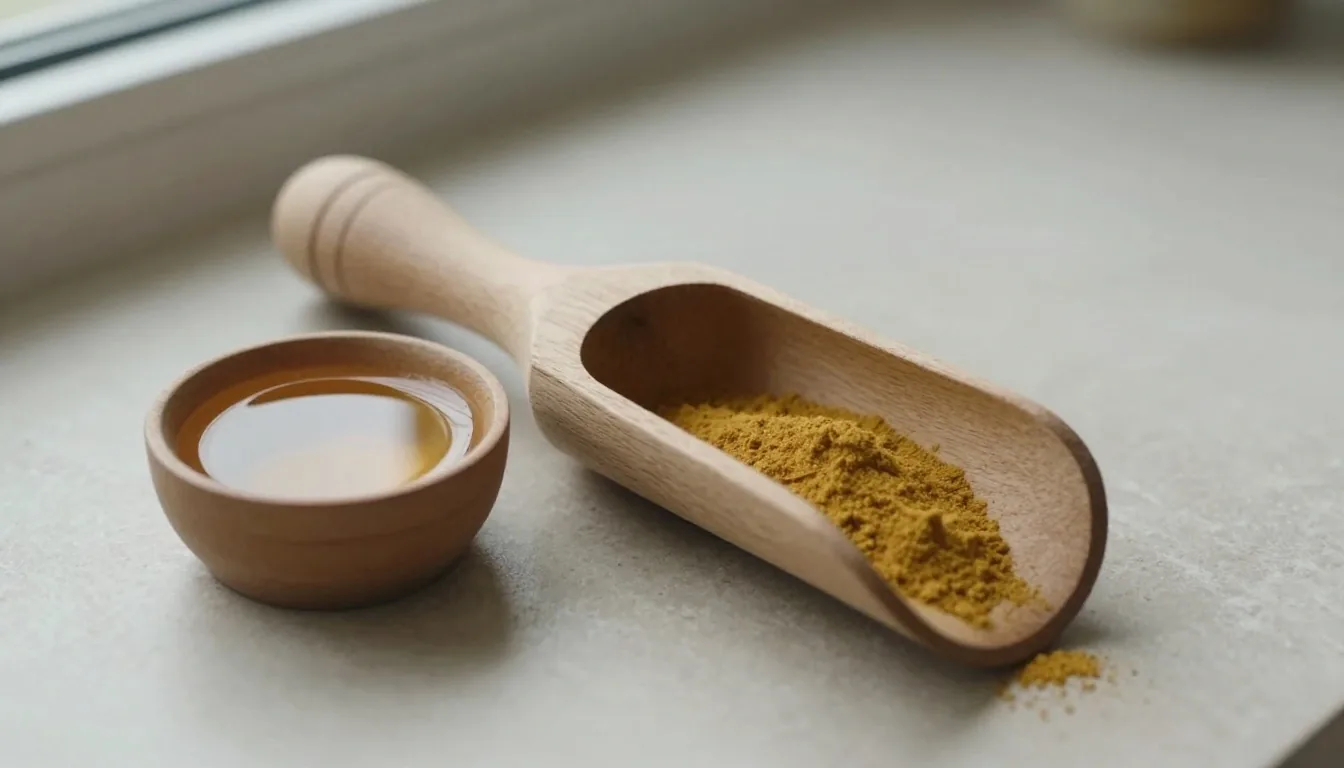
Energy levels and physical endurance are common reasons men look into supplements. This site treats those topics as lifestyle factors, not isolated product benefits. Sleep, activity, and food choices form the baseline.
Certain supplements — such as B-complex vitamins or herbal extracts — are marketed in this space. Our energy and endurance page explains what these products generally contain and how to think about their place in a broader routine. We do not frame any supplement as a replacement for rest or movement.
Popular products and what to look for
The popular products page gives an overview of formats and ingredients men commonly seek. This includes multivitamin capsules, single-ingredient herbal capsules, and mineral supplements. For each category, we note what the label typically emphasizes and what questions a reader might ask.
The page is a starting point for comparison, not a ranked list of recommendations. We describe categories, not brands — so you can walk into any shelf with a clearer sense of what the front label is telling you and what it is leaving out.
See popular productsReading a supplement label
A supplement label has several parts: the supplement facts panel, the ingredients list, and the marketing text. The facts panel is the most reliable section. It lists what is in the container and in what amounts. The other text may use terms that sound specific but mean less than they appear to.
Three parts of a label, ranked by reliability
Supplement facts panel
The reliable section. Lists what is inside and in what amounts. This is where you compare products.
Ingredients list
Shows the full ingredient breakdown. Watch for proprietary blends that combine several items under one total weight.
Marketing text
Words like "strength" and "vitality" live here. They may sound specific but often mean less than they appear to.
Natural capsules and strength language
"Strength" and "vitality" are common words on supplement packaging. On this site, we explain what those terms usually refer to and how to read past them. A capsule may contain a standardized plant extract, a blend of vitamins, or both.
The serving size and the standardization percentage tell you more than the front label. A bottle that says "high potency" on the front may contain the same amount of active ingredient as one that does not — the facts panel is where you check. Our guides break down this language so you can compare products on the ingredient list rather than the marketing copy.
When you see a term like "standardized extract," it means the manufacturer has measured the amount of a specific compound in the extract. That number — expressed as a percentage — is more useful than words like "pure" or "premium" that appear elsewhere on the label.
Daily routines and realistic expectations
Supplements sit alongside food, movement, and rest in a daily routine. They do not replace any of these. A capsule with B-vitamins may be part of a morning habit, but it is not a substitute for enough sleep.
We write about how to think about routine placement, timing with food, and consistency over time. The expectation is wellness support, not transformation. Setting a realistic frame helps you use supplements as one tool among many.
Where supplements fit in a day
Morning
B-vitamins or a multivitamin with breakfast. Fat-soluble vitamins absorb better with food.
Afternoon
Herbal extracts if used. Some are better between meals; check the label for guidance.
Evening
Minerals like magnesium are often taken in the evening. Consistency matters more than exact timing.
Consistency
Taking a supplement at roughly the same time each day builds a habit. Results, if any, come from steady use over weeks — not from a single dose.
How HerbalPria stays independent
We do not sell supplements. We do not take payment for listing or reviewing specific products. Our editorial standards page covers how we choose topics and what sources we consult.
The site is paid for by display advertising, which is labeled as such. We do not frame ads as recommendations. If a topic is covered, it is because it is a common search or a frequent reader question — not because a brand paid for placement.
Where to go from here
Start with the guide that matches what you came here to learn. Each page links to the next, so you can build context without losing your place.
Start here
Supplement Guide
Ingredient and format basics — capsules, powders, extracts, and what the label language means.
Next
Energy & Endurance
What these products generally contain and how they fit into a broader routine.
Then
Popular Products
An overview of categories men commonly look at — described, not ranked.
Questions
Contact HerbalPria
If you have a question about the site or a topic you want to see covered, this is the direct route.
Frequently asked questions
No. HerbalPria is an informational site. We do not sell, prescribe, or ship supplements. We publish reference material about ingredients, formats, and lifestyle context.
No. Our pages are educational. They explain what ingredients are and what labels mean. For guidance on your personal needs, talk to a qualified professional.
We describe categories and formats, not brands. We do not rank products or accept payment for reviews. If a topic appears on the site, it is because readers search for it or ask about it — not because a brand paid for placement.
Have a question about the site or a topic you want covered?
Our contact page is the direct route. We read messages and respond to site-related inquiries — whether you have a question about an ingredient we covered or a topic you would like us to write about next.
Contact HerbalPriaHerbalPria
Jl. Sultan Agung No. 22, Medan Polonia, Medan, Sumatera Utara 20152, Indonesia
Monday to Friday, 9:00 AM – 6:00 PM
HerbalPria is an informational resource. We do not sell supplements, and our pages are not a substitute for advice from a qualified professional.